Septic Tank Problems Rotating Header Image

Can Tree Roots Block or Clog Lateral Lines?

Finally, the construction of your home is taking place. You have waited for years to get the perfect place and the perfect time to get it started. Your work has been very demanding for the past months. The schedule you had didn’t allow you to set your plan into motion. You were only fortunate to have a month’s break from it all to get the ball rolling, then you could have enough time to find someone to supervise for you. It is your home after all. You need to have everything right with the money you are investing on it.

One of the plans that you had for years was to have lots of trees in your yard. But the dilemma started to reveal itself when the idea of having a septic system entered the picture. You wanted to incorporate a bunch of trees to have the look of a secret garden on your property. But the thought of having the drain field underneath those trees made you think of a resounding question—can tree roots block or clog lateral lines?

You have already talked with the architect and the septic professionals that you have hired. The aesthetical aspect of the yard was stressed by your architect but the septic professional emphasized the effect of the trees on the drain field and lateral lines. Before an argument ensued, you just decided to go with the septic professional and compromise with the architect’s landscaping ideas. You just opted for the trees to frame the entire property or at least a few meters surrounding the area of the drain field. This would assure the safety of the lateral lines and the long life of the septic system. You only want what is best for your investment and taking the expert’s advice would be a great way to start.

The septic system’s drain field is a very important part of the waste water treatment process. This is the part where the final treatment and purification takes place. With the leach field in full throttle, the effluent is surely prepared to get rid of the toxins, viruses, pollutants, and harmful bacteria that are detrimental to your health and to your environment. This is why the leach field should be well-cared for. The lateral lines in the drain field are needed to distribute the purified wastewater to the surrounding soil. If these are clogged, the pretreated wastewater will back up onto your yard or into your home. The common causes of lateral line clogging are the accumulation of the bio-mat and the tree roots that invade them.

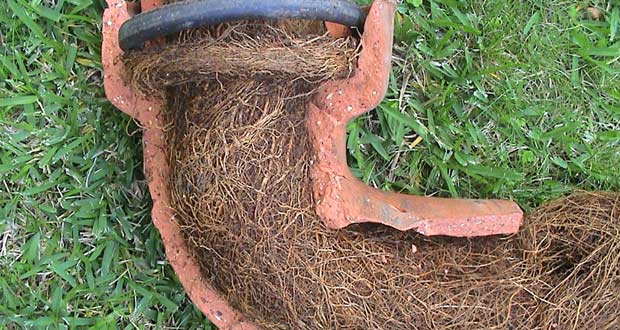
Trees have complex root systems that never stop searching for nutrients and water to sustain their processes. This prompts the roots to go deeper and deeper into the soil. The lateral lines are rich with nutritious effluent that is an ideal source of sustenance for the trees. As the roots cling and penetrate the lateral lines, damage ensues. The lateral lines break and this makes the drain field fail. It would definitely be a very expensive repair process, if you let the roots of trees get into your lateral lines. Your investment will be treated poorly and will deteriorate in a matter of a few short years.

Your yard was definitely coming together with the septic experts doing their job and your design team at a standby when their septic system work is finished. You have a feeling that everything is falling in its right place. You are positive about this entire project. Even if it is going to take a while for your home to be finished and fully functional, you know that it will be one of the best decisions that you have ever made. Your septic system is as important as your home. Without it, your wastewater will never be disposed of properly. It is only right for you to make sure that everything is all right and followed systematically. Tree roots can really clog the lateral lines. You have made the right decision to place the trees away from the drain field. This is only one of the responsibilities that you have as a homeowner and you have done it with full consideration.

Septic System Odor Control Techniques

Septic system odor is a very irritating and unbearable. It has long been a problem of so many homeowners, especially those with septic tanks of obsolete or substandard design. The odors become stronger as the septic tank becomes full or if pressure begins due to slow drainage. Many of the septic systems installed prior to 1935 were very poorly made and, without proper care, gave out terrible toxic fumes and bacteria. 

                It is very embarrassing to have a home reeking of septic system odors. Even if you keep a clean household, if the drains give out that obnoxious smell, guests and neighbors will think otherwise. Those who live in areas where they are hooked up to wastewater treatment plants are very fortunate as they don’t have to maintain their own septic tank and risk having regular bouts of odorous spells. 

                The offensive odors from your septic system linger for a while until you finally address the main problem. You can find yourself temporarily resolving the issue by spraying deodorizers and air fresheners. Take a look at these septic system odor control techniques that could help you deal in your own home: 

  1. Indoors

When you have septic system odor issues in the home, don’t worry because this dilemma can be easy to tackle. This is mainly caused by a trap in your pipe or a dry drain that is often located in a sink or bathroom that is not often used. The “U”-shaped pipe there traps odors, especially when it is dry and there is no blockage of water between the odor from the septic system and the drain. If you want to remove the septic system odor inside your home, just turn on the faucet and run some water. Do this as a practice to prevent odors from coming out again. 

  1. Cleaning products

Using household cleaning products to flushing the pipe lines between your home and the septic tank can help in getting rid of the septic system odor. You could consult with your local home store or online septic system stores for tips on what products you should use. 

  1. Outdoors

A technique that you could use in dealing with septic system odors outdoors is the extension of the vent to the topmost portion of the roof. This is quick and easy to do. You usually experience septic system odor outside the house because of the vent’s low position. It needs to be high enough for the wind to carry the fumes away from your area. Make use of a PVC pipe to increase the height of the vent stack to about three feet. Don’t forget to place charcoal filters over the extended vent so that the odors can be filtered before they get carried off into oblivion. 

There are many causes of septic system odors that mainly arise from your own practice at home like dumping used oil and coffee grinds into the garbage disposal. This causes heavy clogs that make the water backup into your home. The clogging also causes the water to become stagnant and pool around your septic tank. This water collection damages the tank and gives way to septic system odors to spew out. You should also avoid planting trees around the area of your septic tank because the roots will eventually damage the pipelines and cause odors to escape. If ever you already did everything possible to get rid of the septic system odors and nothing still worked, it would be better to seek the assistance of professionals and let them skillfully handle the matter.

While these are just a few broad reasons why a septic system may give off odors, keep in mind that any system with odor conditions is an early warning sign that something is wrong internally and the system should be inspected and treated accordingly. Once septic system odors appear, pressures build within the system which causes interference with the normal decomposition process. Once this begins, a snowball effect occurs and the system steadily declines.

Do Automatic Dishwashers Harm Septic Systems?

Household chores are really what they are—chores. They take time and if you don’t get any kind of help, you end up spending your entire day maintaining order and cleanliness and not have spare time for yourself and for your family. This is why there’s a continuous flow of innovative appliances that aim to make your life easier. While some of these newer technologies are effective and safe for septic systems, others may cause instability inside the sensitive environment within your septic system. 

                One of the technology’ gifts to man is the dishwasher and it has be proven to be an indispensable tool in the kitchen that helps you get rid of the filthy kitchenware that your household uses everyday. With the handy and ready dishwasher, you can have clean dishes anytime, any day. But if you are a homeowner, would having such a contraption be a contradiction to your septic system? Would your automatic dishwasher actually harm the system that digests and recycles your solid wastes? 

                When it comes to the water volume that the dishwasher utilizes, this does not usually affect the septic system at all. While the detergent content of the dishwasher wastewater is diluted, it may pose a threat to the bacteria within the septic system. When you use a dishwasher, the detergents you pour in do not normally lather up too much while the surfactants lift the dirt and other substances from the dishes – aggressively spraying hot water to do all the necessary work. 

                The regular dishwashing detergents that you use may or may not do a lot of damage in the septic tank per se but they do make their way to the surface water or groundwater in many cases since over 50% off all septic systems in the country are in disarray or in need of attention. The chemicals pose a hazard to the surrounding environment since the surfactants in the detergents are known to be very toxic to some species of fish. They interfere with the ability of the gills to absorb oxygen from the water. The phosphates accelerate the growth of algae in the surface water. Eutrophication is the end-product that deprives the living organisms in the water of oxygen. When this happens, the affected bodies of water are tagged as dead zones wherein there is no fish or aquatic plants are present anymore. As you can see, it is the surface water or ground water that is highly affected by the dishwashing detergents used every time you turn on your automatic dishwasher. 

                During social occasions or those times when you have an excess amount of visitors or guests in your home, dishwashers can work triple time. This accelerated use causes greater amounts of potentially toxic material to flow into the safe zone of your septic system. The increased chemicals can radically deplete colony counts inside your septic and speed up or cause clogging downstream. Whenever people get together, food seems to be the ice breaker and that food leads to dirty dishes. You can’t serve your important guests with paper products so keep aware of when and how many people you plan to entertain regularly. 

Too much dumping of dishwashing detergents, food stuffs and just plain excess water will have an immediate impact on your septic system. If you feel as though you are going to be using the dishwasher up and beyond what might be gauged as normal, consider adding a French drain or drywell to handle the dishwasher water. These independent type collection systems are relatively inexpensive and will take a massive load off of the septic by diverting the grey water elsewhere. Most drywell systems only take up a small footprint of yard space and are buried for aesthetics. 

                To resolve the overloading of the drain fields, it is better if you install a drywell or a gray water system as a receptacle and dispersement system for the dishwasher water. This way, you will be confident that the drain field is safe from too much dishwasher use since the toxic load will be diverted elsewhere. If you are thinking of not using your dishwasher again, think twice. There is no point in not making your life lighter by not using assistants like the dishwasher. Whatever you decide, at the very least, select a dishwasher detergent that appears to use the least amount of toxic ingredients while still having suitable power to clean your dishes with one cycle. Running the dishwasher twice using a substandard detergent only makes thing worse.

How much do New or Replacement Septic’s Cost

The dreaded day has come.

                Your septic professional just broke the news to you. Your septic system has failed and needs to be replaced immediately. How could this be, you ask? Well, this is not supposed to be an “I told you so” moment but you have to realize that it is more of a combination of what you did and didn’t do that brought about this terrible crisis.

For years, you have never even taken a peek at your septic system. You were one of those who utterly believed that the septic system works all by itself and maintains itself. Too bad you proved yourself wrong the hard way. Having your septic system replaced is a very expensive and laborious endeavor. It is something that you cannot avoid at all because apparently, you don’t think of your septic system all the time. If your septic system has failed, then better get ready to shed about 4,000 to 40,000 USD and this would depend on your situation. Your new septic system depends on the ground layout, the amount of rocks in the soil, and the cost of labor. The actual area where you live in could also affect the cost of the new septic system. If the soil in your property is very hard to excavate, then it would cost you much more. Those advanced systems like aerobic systems, raised mounds, and sand filters are much more expensive to build and install. When the plumbing is complex, the advanced level of engineering and the groundwater is high.

                Do-It-Yourself guides are also available these days. If you want to save on professional service fees, just make sure that you follow instructions well. The septic tank costs between 500 – 1,800 USD and this could accommodate three hundred to a thousand gallons. The other items that you need would cost a total of 200 USD at most. There are internet guides like www.watertanks.com and www.Costhelper.com to help you in your step by step effort to install a new septic tank for your home.

                The cost of a replacement septic system doesn’t end with the materials that you need for the job. You should set aside an amount of about 250 – 1,000 USD and even more for a building permit. All septic systems need a permit that will depend on the design and the site of installation. You could consult the planning department and enforcement officers for application forms and details that you need. Also check out the websites for the enforcement of state codes so that you may be updated with the regulations and fees in your municipality. Also consider the plants that are to be removed when you new septic system is installed. This is another cost to be prepared for.

                Thinking of hiring a professional or a contractor to do the job for you could cost you more than you could imagine. The services will include pumping, removal of wastes, inspection, and the installation of the septic tank. It is more practical to hire someone knowledgeable of the codes and regulations so that everything would be done smoothly. The septic professional would also have to take note of the distance between the wetland and your home, the requirements for the permit, the devices that discharge on your property, and the distance between the septic area and your home. All these will add on to the total cost of the installation.

                Making sure that your keep your septic system running smoothly would’ve been much more affordable for you but hind sight is 20/20 of course. Making use of a lint filter for your washing machine whenever you use it would help your septic system run properly. Also, it is better to have small loads of dishes and laundry done during the week than to just do them all in one day. You should also make sure that you clean your septic tank regularly and maintain it with a potent bacteria additive.

                Yes, you may have to replace your septic system now and if it is damaged beyond potential remediation through chemicals, you must accept that it is not going to repair itself. But, once you have a new one installed, learn from your past mistakes. Give proper care and maintenance to your new septic system to save you another large dent on your bank account.

Do Organic Cesspit cleaners work?

Your cesspit is a living organism that thrives under your home and it is intended to be part of the well-oiled machine that is your household’s waste processor. Yes, it is your own personal wastewater treatment facility. How cool is that? But even if you have the privilege of having your own water recycling plant, you should still take note that you have to do your part in maintaining your cesspit. On your journey to discover the perfect cesspit additive, you will no doubt encounter information relating to the potential beneficial effects of organic cesspit cleaner.

Taking good care of your cesspit needs a lot of detailed attention. It is something that you could almost think of like caring for a pet. When you have a pet, you do whatever it takes to assure that he or she is healthy. You feed, groom, and play with your pet every chance you get. You also spend quality time with him or her to really make sure that you have that special bond. It is the same with your cesspit. Think about it. It is a living system so it also needs the basic care that every living organism needs.

Of course, part of the cesspit care is to clean it. What do you use when you clean the cesspit? Well, you really have to consider a lot of things before you jump on the task. The cesspit is a system that depends on the bacterial population in the tank so you have to have that as a primary consideration when you choose the right cleaning agent. There are so many products that do the job and they are categorized into three—organic, inorganic, and biological.

Inorganic cleaning products for the septic tank are usually availed for their ability to unclog drains because of the strong alkali and acid components. These products deplete the bacteria in your cesspit, incapacitating the breakdown of the solid wastes for a while. As a result the sewage to directly to the drainfield and clog all the pipes and change the soil’s consistency. This also includes the corrosion of the d-box and the tanks, making them collapse or leak.

Biological cleaners mix up the bacteria and the enzymes to further improve the condition and the population of the existing colony of bacteria in your cesspit. They don’t have special bacteria to be added into the cesspit. Pretty much the same culture should be added into your cesspit to increase the efficiency of the bacteria.

Organic cesspit cleaners work to rid the cesspit of the unwanted grease and oils. These compounds break down the dumped fats into the cesspit where they negatively affect the bacterial population. These types of digestants are beneficial provided they are bacteria based, not just enzyme based. Enzymes, unlike bacteria, cannot create a loop cycle for digestion. While bacteria create enzymes as part of the breakdown process, enzymes do not have the ability to create bacteria and once their organic targets are liquefied, enzymes decompose and cease to offer prolonged benefit.

When it comes to being an effective cleanser, organic cesspit cleaners really do strip the cesspit of the thick grease and oils that clog the system. Once these are broken down, it is easier for them to be eliminated when the tank is pumped. Some organic cleaners also get rid of the hydrogen sulfide, ammonia, and other toxic substances that are present in the cesspit. It makes the maintenance of the cesspit a level safer this way. These products make use of the natural probiotics and microbes that do all the work. They also leave certain antioxidants that get rid of cesspit odors as they perform the cleaning. Always seek the advice of a septic remediation professional when you apply the organic cesspit cleaner that is recommended.

The responsibility of caring for your cesspit lies in your vigilance and dedication as a homeowner. Make sure that you maintain your cesspit according to schedule and to watch water and household cleanser usage.

How Deep Below the Surface is My Distribution Box Lid

You not only own a home but don’t forget, you may also own a septic system. The moment you stepped in and settled into your new home, the feeling is overwhelming. Finally, you have spent your money on something that will last for generations to come. Yet in the midst of your house warming, you should not forget that there is a living organism underneath your house that helps you live a very comfortable and healthy life. Part of this organism is your distribution box – or D-Box for short. 

No, it’s not a dragon, a friendly pre-historic creature, or a kingdom of fairies that does you good from under the surface of your property. It is your septic system that makes health and safety possible for your household. It is only fitting that proper maintenance and care be given to this living organism that serves you everyday. But how do you do this? First, you have to locate the distribution box lid of your septic system. 

While the septic tank and pipes should be well maintained, you really will want to know the location of your D-Box and its lid. Finding the exact location of your distribution box and its lid can pose a problem especially if you have no idea where the system may be located in your yard. It is just one of the great technicalities of being a homeowner that you didn’t seem to think as that important at the time. It seemed enough for you to know that somewhere beneath your lot is a box made of concrete that is vital to your septic system maintenance. Don’t fret. Just have the perseverance and the patience and you will find that distribution box lid. These steps can really help: 

  1. Installation records should be checked

First step in your mission is to make sure that the installation records should be checked. This is pretty easy to do because every septic system installation has a permit. It should have a file in the office where the permit was obtained by the one who installed your septic system. When you find the records, sort out the diagram or blueprint of your septic system. This will show you the exact place where your septic system was installed in your property. It will definitely include the pipe routes, drainfield location, and where the distribution box was fixed into. But take note that this diagram may just be the plan of the designer or installer. The actual installation might have been changed so it may not tell you exactly where the distribution box really is. Nevertheless, it is a great way to start your search. 

  1. Locate the field lines

Once you have the diagram, try your best to locate the field lines. The location is characterized as a level part of your yard that is large and free of any shrubs or woody plants. The smaller plants on it such as grass should be dark green, fast-growing, thick, and lush. Follow the pattern to your house. Find the intersection of the dark green grass and this would most probably indicate the location of your distribution box. Dig up that suspected area so that you can confirm this notion. It is possible that the distribution box is installed two to four feet underground. 

  1. Use a metal detector

A metal detector could help you is you cannot get your hands on the diagram or design of your septic tank. This device could help you locate the metal distribution box underneath all that grass. Just g to the suspected area of the field lines and scan that area towards your house. Even if the distribution box is of concrete material, there is a metal re-bar that reinforces it. The metal detector should be able to pick this up. 

  1. Use a prybar

This may be considered as your last means to find the distribution box. You could just simply drive the prybar or a metal rod into the area of your yard where you suspect your distribution box is installed. This is an invasive means to find it. Keep driving the prybar two to four feet deep into the ground until you hit concrete. Just make sure that it is concrete and not just some large piece of rock. If you are unsuccessful the first time, mark the place you dug up and start in another area. This can really exhaust you and waste a lot of time but with positive thinking, you will find that distribution lid. 

Don’t worry. You will eventually find that distribution lid. What’s important is that you know that it is about 2 to 4 feet underground. This is a fair start in your effort to maintain your septic pipes.

When Buying a New Home, Don’t Forget Your Septic Inspection

You have always enjoyed house hunting. It gives you the chance to choose from a vast collection of properties that appeal to you. But in studying every piece of property, there is one vital thing that you have to remember—septic tank inspection. You should know better than to just sign the house’s paperwork and not know what you’re getting.

The moment you have decided to buy a house, you should make sure that the septic tank is functional and in optimal condition. It should be one of the main concerns that you should raise with your realtor. It is usually assumed that the home inspectors are the ones responsible for checking the septic tank. The septic tank is buried so the home inspectors cannot have access to it. The one who should do the septic tank inspection is a specialist who has been trained and has the right training to do this task. Even if the inspector does check your septic tank, he wouldn’t have the necessary tools to correct the problem. The  specialists will know what to do once the septic cover is removed. The septic system environment is a health hazard to work in and only they could perform well there with the training that they have.

Remember that a well-built and installed septic system will be of service for many years if proper maintenance is done. You should get all the information about your prospective home. Do not be afraid to ask the necessary questions. In checking the home that you want to buy, pay attention to the following details so that you may be properly guided in getting the perfect home with the perfect septic system:

  1. Air around the septic area should not smell of rotten eggs
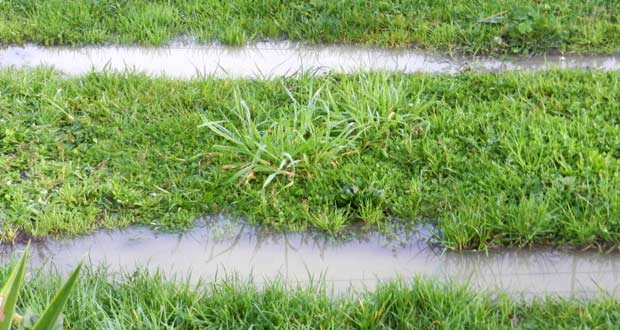
  2. The ground should not be soggy  or pooling should not be present
  3. There should be green grass on the leach field
  4. Drains should not be slow or clogged up
  5. The septic tank should have been checked in the past twelve months
  6. The septic tank should have been pumped 3 or 5 years ago

If you do encounter or discover any problems with your prospective home’s septic system, then you should ask the environmental officer in your area for practical advice. Better yet, call the septic plumber so that they could immediately deal with and correct the problem if they see one.

There may be a time when you would want to inspect the septic system yourself. It is not that complicated anyway and you could just do it in twenty minutes. Just be prepared by taking note of the toxic fumes; leaving the opening for a while before approaching it; not smoking in the area of an open septic tank; never inspecting alone; wearing gloves and washing hands immediately after your done; and informing your doctor of any injuries after your inspection. Start by carefully opening the inspection cover with a screwdriver. Then check the level of fluid. It should not be higher than the outlet pipe. Next, check if the effluent filter is working well or unclogged. If there is a clog, rinse it with water. If this doesn’t work, just replace the filter cartridge. Check the area of the absorption trenches. It should not be soggy or smelly, which are indications of an exhausted trench. Don’t forget to check all the toilets and drains in the house. They should work properly. Slow drains are indications of clogs or exhausted trenches. Supplement your personal inspection with a consultation with a plumbing specialist.

Leaking Leach Field Help

Leach fields of your septic tank should always be clear of roots and bio-mat to drain properly. Smooth drainage will prevent the backing up, or leaking of the liquid and solid wastes into your yard or right into your home. It is already known that there are cleaning products that are detrimental to the environment and the same holds true for septic systems since they too have their own environment. If you use methods and products that are environment-friendly, in the long run it will cost you much less than when you use the commercially prepared, synthetic ones. Here are some of the natural substances that will help you clear your leach field: 

  1. Ice cream salt remedy

One way of effectively giving your leach field some help is through the use of ice cream salts. Boil a cup of this substance in about 2 cups of water. This will result in a strong salt solution that could dissolve roots near the leach fields. Tree roots are common causes of clogs in the leach fields. You could apply the ice cream salt solution by pouring it in the sinks, toilet, and other drains located in your home every 6 months so that the tree roots will not spread in the leach field. 

  1. Copper sulfate

Among the commercially prepared products for cleaning leach fields, copper sulfate is said to be the safest one to use. Just dissolve about a pound of copper sulfate in a cup of water and pour it down your drains. This will kill the roots in the septic tank. The tank’s pipes will then spread it in the surrounding area. 

  1. Vinegar and baking soda

When you combine vinegar and baking soda, you will produce a potent foam that could dissolve the solidified wastes in all the drains of your home, that lead to the septic tank. 

  1. Yeast

It is said that applying a yeast culture I the septic system will break down solid wastes including sanitary napkins, wet wipes, toilet paper, and feces. These solid wastes should be dissolves because they tend to block the leach field lines resulting to a back up in raw sewage. It is advisable for you to apply the yeast in water about two times a year to maintain the balanced number of bacteria that your septic tank needs. This way, your leach fields remain efficient in digesting the solid wastes. 

  1. Additives

Of course, nothing can compare to the effectiveness of adding high quality, commercial grade bacteria and enzymes to your system. Additives can quickly restore a leaking system so as to improve permeability and absorption in the clog areas.       

 You could prevent your leach fields from clogging up by using septic chemicals that do not kill bacteria that digest the wastes; by using less water; by keeping your lawn grass short; and by using environment-friendly household cleaning products. If you use environmentally safe septic chemicals, the bacterial population remains intact, therefore the digestion of wastes keeps going smoothly. When you use less water, the leach system could self-unclog at a faster rate. If you se much water, you act against the clog so it cannot be expelled. If you allow your lawn grass to grow very long, the sun cannot penetrate through the leach field soil area. If the grass is kept short, the heat of the sun will be able to hasten the bacteria’s work in unclogging the leach field. As you know, most commercial household cleaning products have harsh chemical compounds that kill the microbial population. Just make sure that you use the environmental friendly ones and avoid using the acidic cleaners so that the bacteria in your septic tank will not be harmed.

Brown Grass over the Cesspit

During some occasions, a homeowner may notice that the green grass over the cesspit has become brown. Brown grass may mean two things – either the soil above the cesspit is not thick enough to retain nutrients needed to feed the grass or the system has failed. Should you worry about having brown grass over your cesspit? Find out first what this indicates and we will give you simple solutions on how to prevent or solve this issue.

During the hot weather (especially during the summer), grass roots have the tendency to grow further below the soil in search for moisture to satisfy them. As the roots grow longer, they encounter resistance from the septic tank blocking their way to grow anywhere else to access water from the surrounding area. The soil might be too thin or shallow that it easily dries out during a hot weather and it can’t handle the root structure. The ideal soil thickness to grow grass over a cesspit is at least 6 inches. Herbaceous plants such as Kentucky bluegrass or black-eyed Susan’s are very efficient for this situation. These types of plants have fibrous roots that do not need watering or fertilizing and could also help in preventing soil erosion. It is not advisable to keep watering the grass over the cesspit as additional water may reduce the drain field’s ability to take in water.

Another reason responsible for brown grass over the cesspit is system hydraulic failure. This means that the cesspit cannot purify the waste water any longer due to blockage in the system. This prevents the effluents from being diffused into the soil, so bacteria cannot digest and transform them into safer substances. This situation can be signified by a strong and foul sewage odor, and as we all know, septic odors often signify trouble in the system. During a hydraulic failure, the ground becomes polluted and contaminates the ground surrounding it, which causes the grass to turn brown. You can seek help from a licensed septic contractor or professional plumber to fix this problem. You may be required to pump the cesspit out or replace it if the cesspit is too old.

It is important to prevent these situations from happening. Having a faulty cesspit may pose risk to you and your family’s health, plus it may cost you lots of money for repair or replacement. Simple steps can be taken to prevent these problems from arising:

  1. Pump out your cesspit as often as needed. Cesspits are designed according to the number of people in the household and the amount of waste that goes into it. Depending on its usage, the cesspit needs to be emptied out as often as possible.
  2. Do not allow human, plants or vehicles to step or drive over the cesspit.
  3. Avoid flushing non biodegradable and other harmful materials to the drain going to the cesspit. These materials such as sanitary napkins, tissue, cigarette butts, etc. do not decompose and may cause clogging in the system. Harmful chemicals such as bleach should also be avoided as much as possible as these materials can destroy the bacteria living in the cesspits.
  4. If the area around your cesspit is depressed or eroded, consider adding some fill to raise the area so as to discourage water from pooling. Also, the added soils should help the grass sustain water and nutrients better.

How Drain Fields are Constructed

The drain field is also known as leaching beds or absorption field. It is an essential part of the sewage disposal system. The septic tank may last for 20 to 30 years but drain fields do not normally last that long unless they are well-designed, treated with a bacteria supplement and the gravel structure and internal PVC remain intact. People pay very little attention to the construction and maintenance of this drainage system, but in this article, we will discuss the important aspects to consider in building a reliable and lasting drain field.

First, it is very important to check with your local health department or county office if a permit is required or if the drain field needs to be inspected while it is being built or after it has been built. Second, determine the soil’s absorption capacity. The most important thing that needs to be considered in building a drain field is the permeability of the soil. A soil scientist can test the ground with a so-called “perc” test (percolation test). This test determines the absorption rate of the soil. It can also check other aspects such as ground slope, system capacity and depth of the bedrock before deciding the size and where to put the leaching bed. Obviously, a drain field should not be located in a poor drainage area. Ideally, it should be at least 10 feet away from a body of water and 10 feet from edible plants.

The next step will be digging the trenches. A conventional drain field is built with piping. It runs a straight line and should not be longer than 100 feet. The trench can be dug either by hand or using a machine like a trencher or a backhoe. The trench depth should always be kept in mind while digging. Having a yardstick or ruler handy is very helpful. Ideally, trenches are roughly 18 inches wide and with a flat bottom. The location of the piping for the drainage system is often determined by the local regulatory agency, but usually it is placed 1 to 3 feet or more below the surface. Also, bear in mind that trenches should slightly slant downward for no more than ¼ inch per 8 feet of pipe. Too much slope could create a back up in your system. The trenches and piping are placed in parallel with each other, wherein the distribution box is at the head of the design.

After the trench and the piping have been set up, the trenches will now be filled with gravel. The gravel should be up to about 6 inches from the top. Afterwards, a layer of tarpaper or any other fabric barrier will now be placed on top of it. The barrier keeps the soil out of the gravel. Finally, the soil shall cover the fabric. The mounds will not be visible as the earth eventually compacts.

Always remember that the amount of water being put into the septic tank is the same amount that flows into the leaching beds. Here are simple reminders to keep your drain field from early failure:

  1. The drain field must be constructed in an area with good ventilation and sunlight.
  2. Avoid constructing anything above the drain field.
  3. Remove trees that are planted near the drain field area as its roots may damage the distribution pipes. 

If you plan on taking this task on, seek out as much information as possible and consult professionals who have constructed these types of systems. Once the drain field is laid out, little can be done to change what’s in place so proper planning is the key to a successful project.